


Trauma & intensive care
Community Services
Diagnosis & Investigation
Medical & Surgical
Specialised Support Service
Health Rehabitation

Doctor
Schedule

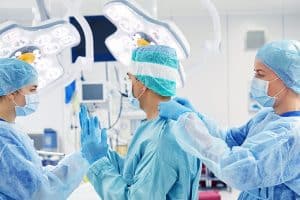


What is Elbow Arthritis?
Elbow arthritis is a condition where the cartilage in the elbow joint wears away, causing pain, stiffness, and reduced movement. This joint connects the humerus (upper arm bone) to the radius and ulna (lower arm bones) and allows bending, straightening, and rotation of the forearm.
Causes of Elbow Arthritis:
- Aging & Genetics
- Injury or Trauma
- Overuse & Repetitive Stress
- Medical Conditions (e.g., Rheumatoid Arthritis, Gout)
Symptoms of Elbow Arthritis
- Pain, especially during movement (lifting, throwing, typing, etc.)
- Swelling, redness, or warmth
- Weakness & reduced function
- Stiffness & limited range of motion
- Deformity in severe cases
Diagnosis of Elbow Arthritis
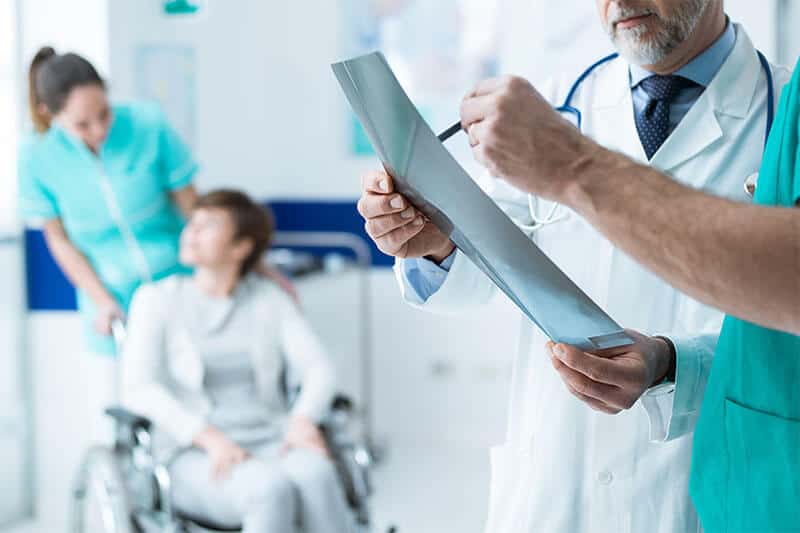
Doctors diagnose elbow arthritis through symptoms, physical exams, and imaging tests, including:
- X-rays (to check bone damage)
- Ultrasound (to examine soft tissues)
- MRI (to assess cartilage & ligaments)
- Blood Tests (to rule out infections or autoimmune conditions)
Treatment Options for Elbow Arthritis
Non-Surgical Treatments (First Line of Care)
✔️ Medications – Painkillers, anti-inflammatories, or corticosteroid injections
✔️ Splints/Braces – To stabilize & support the joint
✔️ Physiotherapy – Exercises, heat/cold therapy, and massage
✔️ Lifestyle Changes – Avoiding repetitive stress, using assistive devices
Surgical Treatments (For Severe Cases)
🔹 Arthroscopic Surgery (“OK Procedure”)
- A minimally invasive surgery using small incisions.
- The surgeon removes scar tissue and shaves away damaged bone to improve movement.
- Recovery:
- Go home the same day.
- Wear a bandage/splint for a few days.
- Resume physiotherapy within 2-4 weeks.
- Return to work in 4-8 weeks.
🔹 Elbow Joint Replacement
- Damaged joint replaced with a metal or plastic implant.
- Pros: Restores movement & function.
- Cons: Risk of infection, loosening, or implant failure over time.
Preparing for Surgery (“OK Procedure”)
- Stop smoking & alcohol 2 weeks before surgery.
- Avoid aspirin & blood thinners a week before.
- Arrange for someone to drive you home after surgery.
- Fast for 6 hours before surgery.
- Wear loose, comfortable clothing.
What to Expect After Surgery?
✅ Keep your elbow elevated to reduce swelling.
✅ Keep the wound clean & dry.
✅ Start gentle hand & wrist movements soon after surgery.
🚫 Avoid lifting, gripping, or strenuous activities for a few weeks.
Benefits & Risks of OK Procedure
✔️ Benefits:
- Reduced pain & better comfort
- Improved range of motion
⚠️ Risks:
- Infection, bleeding, or bruising
- Nerve or tendon injury
- Scar tissue formation
With access to
24 Hour
Emergency
Assistance